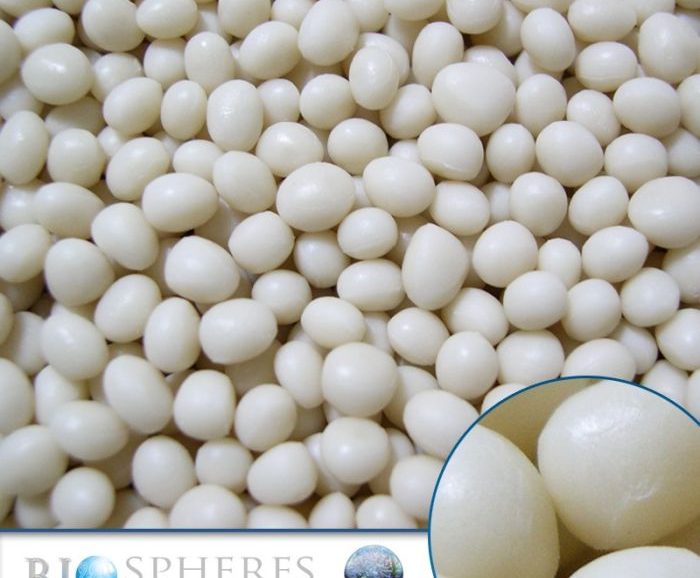
In the quest for sustainable energy sources, bio pellets have emerged as a promising alternative that holds the potential to reduce our dependence on fossil fuels while mitigating environmental impacts. These pellets, made from organic materials, offer a renewable and eco-friendly solution for heating, electricity generation, and various industrial applications. Let’s dive into what bio pellets are, how they are made, their benefits, and their role in shaping a greener future.
What Are Bio Pellets?
Bio pellets, also known as biomass pellets, are compressed and condensed forms of organic materials such as wood residues, agricultural waste, forestry by-products, and energy crops. These materials are processed and compacted into small cylindrical shapes, typically with a diameter of 6 to 10 millimeters. The compression process removes moisture and increases the energy density of the pellets, making them efficient for storage, transport, and combustion.
Production Process
The production of bio pellets involves several stages:
- Feedstock Collection: Organic materials like wood chips, sawdust, straw, corn stover, and switchgrass are collected from renewable sources.
- Drying: The moisture content of the feedstock is reduced to around 10-15% through drying, which improves the efficiency of pelletization.
- Size Reduction: The materials are then processed to achieve uniform particle sizes suitable for pellet production.
- Pelletization: The processed biomass is fed into pellet mills, where it undergoes compression under high pressure and temperature, forming dense pellets.
- Cooling and Packaging: The freshly produced pellets are cooled to room temperature and packaged for distribution and use.
Environmental and Economic Benefits
Bio pellets offer a range of environmental and economic benefits, making them an attractive choice for sustainable energy solutions:
- Renewable Resource: Biomass used for pellet production is renewable, as it comes from organic materials that can be replenished through sustainable practices.
- Carbon Neutral: When burned, bio pellets release carbon dioxide (CO2) equal to the amount absorbed during the growth of the biomass, making them carbon neutral and reducing net greenhouse gas emissions.
- Waste Reduction: Utilizing agricultural and forestry residues for pellet production helps in managing waste and reducing landfill usage.
- Energy Independence: Bio pellets contribute to diversifying energy sources, reducing dependence on fossil fuels and imported energy.
- Rural Development: The production of bio pellets can stimulate rural economies by creating jobs in biomass collection, processing, and distribution.
Applications of Bio Pellets
- Residential Heating: Bio pellets are commonly used in pellet stoves and boilers for residential heating, offering a cleaner and more sustainable alternative to traditional fossil fuel-based heating systems.
- Industrial Heat and Power Generation: Industries utilize bio pellets for steam generation, power production, and heating applications, reducing their carbon footprint and energy costs.
- Combined Heat and Power (CHP) Plants: Bio pellets are used in CHP plants to generate both electricity and heat, maximizing energy efficiency and reducing emissions.
- Animal Bedding: Pellets made from agricultural residues can be used as bedding material for livestock, providing a comfortable and eco-friendly solution.
- Soil Amendment: Some bio pellets, such as those made from poultry litter or manure, can be used as organic fertilizers or soil amendments, enriching soil health and promoting sustainable agriculture practices.
Challenges and Future Outlook
While bio pellets offer numerous benefits, they also face challenges that need to be addressed for wider adoption and sustainability:
- Supply Chain Logistics: Ensuring a consistent and reliable supply of biomass feedstock is essential for stable pellet production.
- Quality Standards: Maintaining quality standards for bio pellets regarding moisture content, ash content, and energy density is crucial for efficient combustion and reduced emissions.
- Market Competition: Bio pellets compete with other renewable energy sources such as wind and solar, necessitating competitive pricing and technological advancements.
- Policy Support: Supportive policies and incentives from governments can encourage investment in bio energy infrastructure and promote the use of bio pellets.
- Technological Innovation: Continued research and development in pellet production technologies, including torrefaction and densification processes, can improve efficiency and reduce costs.
Looking ahead, bio pellets are poised to play a significant role in the transition to a low-carbon economy and achieving sustainability goals. With advancements in technology, favorable policies, and growing awareness of environmental issues, bio pellets have the potential to emerge as a mainstream renewable energy solution, contributing to a cleaner and greener future for generations to come.
